Clover Biopharmaceuticals reports that its respiratory combo vaccines achieved positive Phase II results in older adults, a finding that could position the shots as “best‑in‑class” options amid ongoing global strain from respiratory viruses.
Immune response in seniors
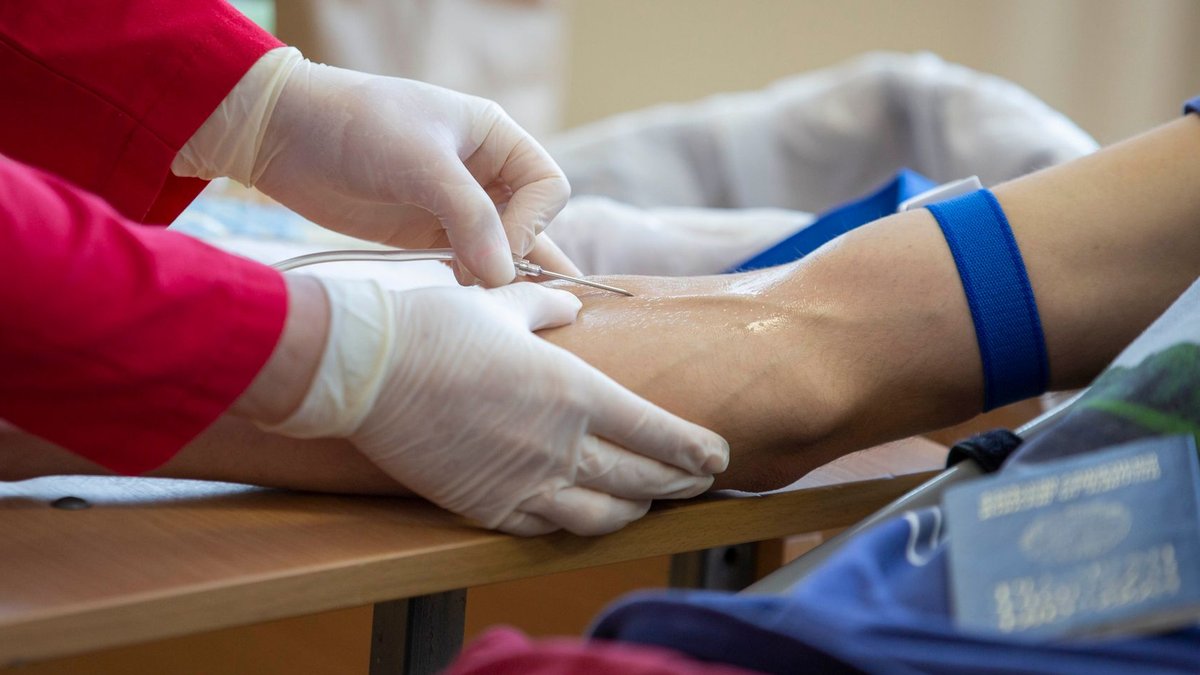
The multi‑centre study took place in Australia and enrolled 420 participants aged 60 to 85 years. Volunteers received either the dual‑target candidate SCB‑1022, the triple‑target candidate SCB‑1033, or a placebo, in a randomised design that blinded both participants and investigators.
Four weeks after injection, both investigational products generated marked rises in neutralising antibodies against the targeted viruses. The response held steady in those older than 75, showing no decline compared with younger enrollee groups, which suggests that age‑related immune senescence did not blunt the effect.
Adding the parainfluenza component in the triple‑target formulation did not interfere with the antibody levels for the other two viruses, indicating that the three antigens can coexist without dampening each other’s effect and that the combined approach remains biologically feasible.
Read Also: Akeso, Summit’s Ivonescimab Shows Survival Benefit in NSCLC
Fewer infections reported
Adverse‑event tracking revealed a 62% reduction in reported respiratory tract infections among vaccine recipients versus the placebo cohort during the 28‑day follow‑up. This decline was measured by clinical assessments and participant diaries that captured symptom onset, severity, and medical visits.
The benefit emerged despite a concurrent outbreak of RSV in Australia, which overlapped with enrolment and the observation period, thereby providing a real‑world stress test for the experimental shots.
In comparison, the seasonal burden of RSV alone accounts for roughly 3.6 million hospitalisations each year worldwide, according to the World Health Organization, showing the public‑health relevance of any protective advance.
Analysts note that the current market leader, Sanofi’s long‑acting RSV product Beyfortus (nirsevimab), generated $2 bn in revenue for 2025 and is projected to grow at a compound annual growth rate of 4.3% through 2032. That financial picture sets a high benchmark for any newcomer seeking market share.
Safety and next phases
Both candidates were well tolerated. The most frequent reactions were mild and transient, typically resolving after about two days, and occurred at similar rates in the placebo arm, indicating a safety profile comparable to existing vaccines.
Read Also: Arlo points to promising Phase II data for swelling disorder drug
According to Clover’s CEO and board director, Joshua Liang, this Phase II data highlights the differential potential of its combination candidates, which he says allows for the “re‑vaccination of individuals previously receiving approved RSV vaccines to restore and broaden protection.”
The company plans to advance the two shots into later‑stage trials and will seek global partnership opportunities to expand their reach.
When a single‑dose vaccine can cover multiple pathogens without sacrificing immune strength, it mirrors earlier efforts to simplify immunisation schedules for the elderly, a group that consistently shows lower vaccine efficacy. The present findings suggest a step forward, though broader studies will be needed to confirm durability and real‑world impact.
The trial’s design—randomised, placebo‑controlled, and spanning a range of senior ages—provides a solid foundation for regulatory review. If subsequent phases replicate these outcomes, the products could join a growing portfolio aimed at reducing the heavy public‑health load posed by respiratory viruses.